Why families misunderstand the dying process
Greater clarity can ease emotional suffering

OPINION — Most families enter end-of-life situations with deep love and good intentions, but very little understanding of what the dying process actually looks like.
An international cohort study from the iLIVE Project (EU Horizon 2020, Meier et al.) found that low end-of-life preparedness is associated with significantly greater emotional suffering among patients and caregivers. I saw this clearly while caring for my grandmother through her final months, and I have seen it repeatedly in my work with families since then.
The dying process is universal, yet most people are never taught what to expect.
My grandmother’s decline was gradual at first. She moved from independent living to assisted living, then to memory care and finally to skilled nursing. I was deeply involved in her daily care, but when she entered hospice, I realized how unprepared I truly was.
I did not know what changes were normal. I did not know what signs mattered. I did not know how to interpret the physical and emotional shifts unfolding in front of me.
One moment in particular stayed with me. She had been in a sleep‑like state for days when she suddenly sat up, looked right at me and asked for food. I raced around the hospice unit, desperate to find anything she might enjoy. I brought her chocolate pudding and cranberry juice, which she happily nibbled and drank. At the time, I thought, “She is getting better. We are in the wrong place.”
I had no idea this burst of clarity was an end-of-life rally, a brief return of energy that commonly occurs shortly before death. No one had explained that this was a fairly common part of the dying process. The misunderstanding made the experience far more emotionally overwhelming than it needed to be.
Other common changes — shifts in breathing patterns, decreased appetite, increased sleep and altered communication — can also be scary when caregivers do not know they are typical.
Many families worry that their loved one is in pain or that something is being missed medically. In reality, these changes often reflect the body’s natural process of shutting down. Understanding this can ease fear and help families focus on comfort, connection and presence.
In my work, I meet many individuals who describe the same confusion I felt. They want to support their loved ones, but they often do not know what is normal or how to prepare emotionally.
Our organization focuses on providing clear, accessible education about the dying process, information that helps people feel steadier and less overwhelmed during an already difficult time.
End-of-life understanding is not about removing sadness. It is about reducing unnecessary suffering, the kind that comes from confusion, misinterpretation and feeling unprepared.
When families know what to expect, they can focus on what matters most: comfort, connection and the opportunity to say goodbye with intention and love. Death is a natural part of life. Understanding it should be, too.
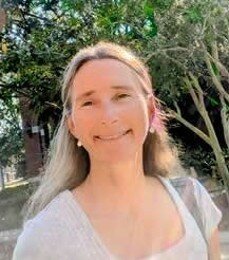
Stephanie J. Smith is founder and executive director of the nonprofit Center for Death Education in Wilmington, North Carolina. Please submit comments at yourvalley.net/letters or email them to AzOpinions@iniusa.org. We are committed to publishing a wide variety of reader opinions, as long as they meet our Civility Guidelines.
Keywords
End-of-life, death, understanding, iLIVE Project, Center for Death Education, Stephanie J. Smith


