There’s no room for human trafficking in Arizona
How the hospitality industry is helping prevent exploitation while supporting survivors
OPINION — Every July 30, World Day Against Trafficking in Persons serves as a reminder that preventing human trafficking is a responsibility shared by every community. While law enforcement plays a critical role, lasting prevention also depends on businesses, organizations and individuals working together to recognize the signs of exploitation, support survivors and make communities safer.
Across Arizona and the country, the hotel industry is working to ensure its properties are places of safety. Hotels are uniquely positioned to help recognize and prevent trafficking because hospitality employees interact with thousands of guests every day.
Rather than waiting to respond after exploitation occurs, the industry has made prevention a priority by investing in employee education, strengthening reporting protocols and partnering with law enforcement, survivor advocates and nonprofit organizations.
Front desk associates, housekeepers, maintenance staff, restaurant employees, security officers, suppliers and managers all have opportunities to notice behaviors or situations that others may never see. Through specialized training, they learn how to recognize potential indicators of trafficking, respond in ways that prioritize safety, follow established reporting procedures and avoid actions that could place survivors or themselves at greater risk.
No single sign confirms trafficking, but understanding indicators such as coercion, fear, restricted movement or unusual guest activity helps employees recognize when something may be wrong and notify the appropriate authorities.
Since 2020, hospitality employees nationwide have completed more than 2.6 million anti-trafficking trainings, underscoring the hotel industry’s commitment to guest and employee safety.
The hospitality industry is also investing in survivors through workforce development partnerships and the American Hotel & Lodging Association Foundation’s No Room for Trafficking Survivor Fund, which provides grants to community-based organizations focused on housing, economic stability, career development and other resources that help survivors rebuild their lives while reducing the risk of revictimization.
This work is making a difference, but preventing human trafficking cannot rest with one industry alone. Healthcare professionals, educators, transportation providers, businesses, community organizations and residents all play an important role in recognizing exploitation, reporting concerns and helping survivors find safety, support and a path forward.
Exploitation thrives on silence and isolation. Prevention depends on awareness, partnership and people who are willing to act. Together, Arizona can continue building communities where traffickers have fewer places to hide and survivors have more opportunities to find help.
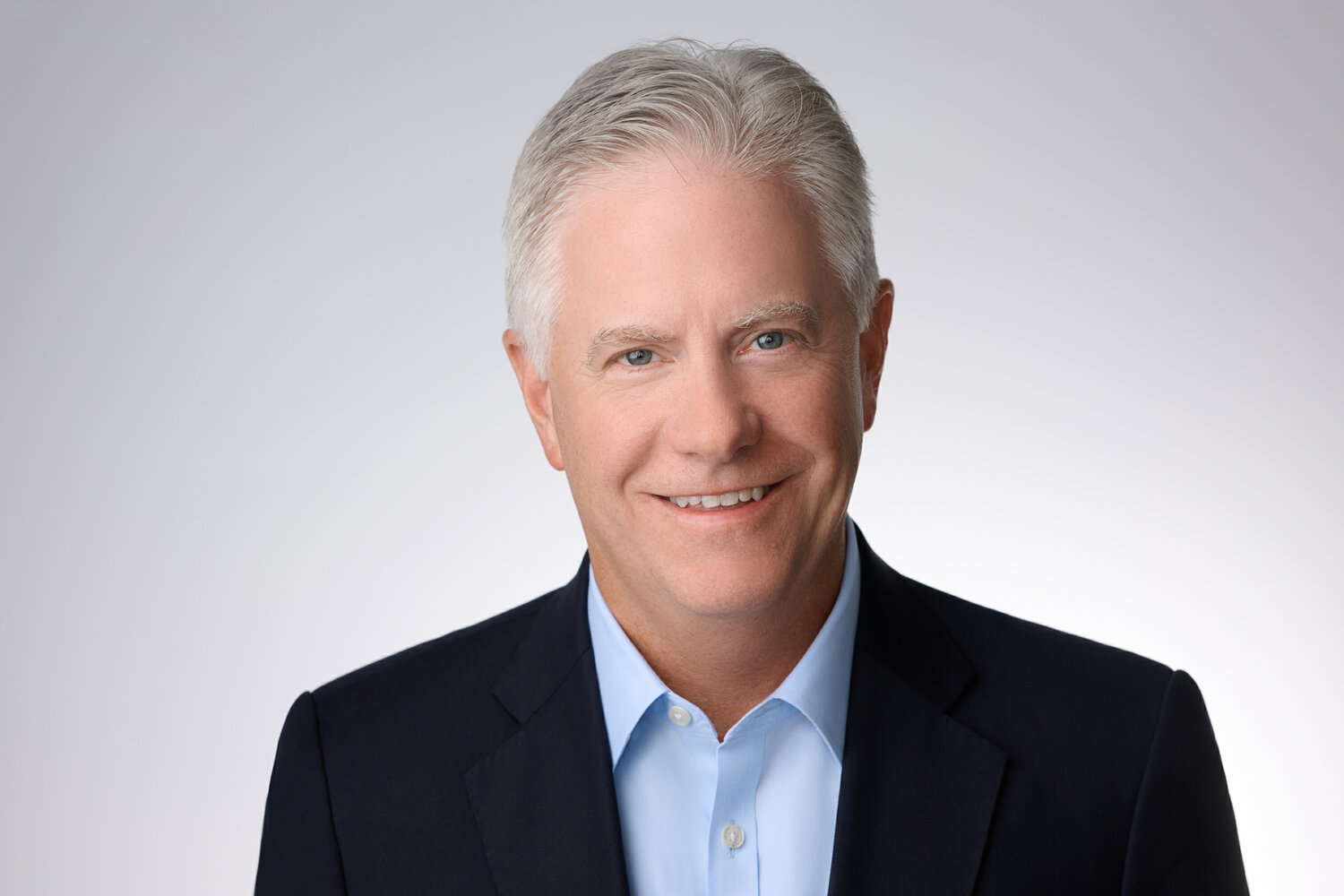
Kevin Carey is president and CEO of the American Hotel & Lodging Association Foundation, a Washington, D.C.-based nonprofit that trains hospitality employees to recognize, report and prevent human trafficking through its No Room for Trafficking initiative, and provides survivor support through its No Room for Trafficking Survivor Fund. Please submit comments at yourvalley.net/letters or email them to AzOpinions@iniusa.org. We are committed to publishing a wide variety of reader opinions, as long as they meet our Civility Guidelines.
Keywords
World Day Against Trafficking in Persons, human trafficking, trafficking, hospitality industry, Kevin Carey, American Hotel & Lodging Association Foundation, AHLA Foundation, No Room for Trafficking, No Room for Trafficking initiative, No Room for Trafficking Survivor Fund, exploitation, prevention


