Stronger communities start with better conversations about social issues
Valley substance abuse program CEO: Leaders must operate on facts, not assumptions, to effect positive outcomes in our communities

OPINION — Every community has difficult conversations it would rather avoid.
Whether it’s homelessness, mental health, addiction or other complex social issues, these topics often come with strong opinions long before they come with understanding. We hear headlines, read social media posts and repeat things we’ve heard from others. Before long, assumptions begin to feel like facts.
Unfortunately, those assumptions don’t just shape opinions, they shape outcomes. Communities can’t solve problems they don’t fully understand.
Throughout my career, I’ve learned that communities are strongest when conversations are rooted in understanding rather than assumptions. Too often, misconceptions become barriers, not just for individuals, but for the families, employers and community leaders working to solve complex issues together.
Every industry, organization and community issue carries misconceptions. The question isn’t whether they exist. It's whether we're willing to challenge them.
Today, information moves faster than ever before. Unfortunately, misinformation often does, too. A single headline, viral social media post or personal anecdote can influence public opinion in ways that aren’t always grounded in fact. Once those narratives take hold, they become difficult to change.
That’s why education isn’t just the responsibility of schools. It’s the responsibility of leaders.
Whether you lead a business, nonprofit, government agency or neighborhood organization, part of leadership is helping people understand, not simply telling them what to think.
That means being willing to answer difficult questions. It means listening to concerns without becoming defensive. It means recognizing that transparency builds trust, even when conversations are uncomfortable.
Too often, organizations assume that good work speaks for itself. Sometimes it does. But more often, silence allows misconceptions to fill the gaps.
I’ve learned that some of the most productive conversations happen when someone simply has the opportunity to ask a question they were previously afraid to ask. Those moments don’t always change someone’s opinion overnight, but they almost always increase understanding. And understanding creates the foundation for collaboration.
The same principle applies far beyond healthcare.
Business leaders regularly navigate misconceptions about their industries. Educators work to explain changes in classrooms. Community organizations help residents understand local challenges. None of these conversations are easy, but they’re necessary.
Strong communities aren’t built because everyone agrees. They're built because people are willing to engage with one another respectfully, seek reliable information and remain open to learning something new.
That doesn’t mean every issue has a simple answer. Most don’t.
But when conversations begin with facts instead of assumptions, communities are far more likely to identify solutions that actually address the problem rather than simply reacting to perceptions.
Arizona faces no shortage of complex issues. Solving them will require thoughtful leadership, informed public dialogue and a willingness to move beyond stereotypes and stigma.
As leaders, we can’t control every opinion. But we can help create environments where questions are welcomed, education is prioritized and conversations are rooted in facts instead of fear.
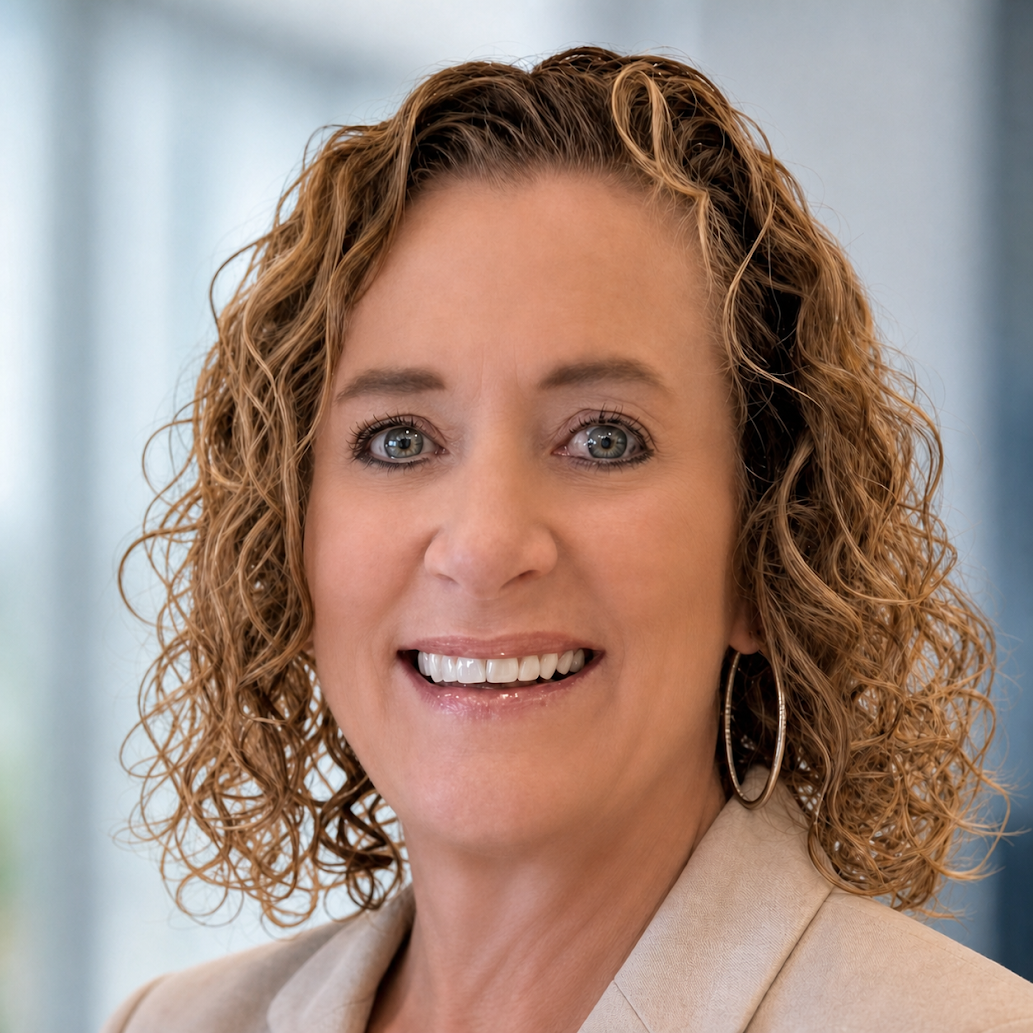
Christine Stevens is CEO of a Valley substance abuse treatment organization. Please submit comments at yourvalley.net/letters or email them to AzOpinions@iniusa.org. We are committed to publishing a wide variety of reader opinions, as long as they meet our Civility Guidelines.
Keywords
Arizona, mental health, addiction, social issues, difficult conversations, understanding, stigma, misinformation, public opinion, leaders, leadership, communities, facts


