Pool safety saves lives; what Arizona homeowners need to know
Phoenix attorney details precautions and responsibilities

OPINION — For many families in Arizona, summer means more time spent gathering around the backyard pool. Whether you're planning a summer cookout, a pool party or a casual afternoon swim, pool ownership carries both personal and legal responsibilities.
Taking reasonable steps to protect family members and guests should be a priority for every homeowner.
As an attorney who handles personal-injury matters, I've seen firsthand how quickly a fun afternoon can become a life-altering tragedy. Following a drowning or near-drowning incident, attention often turns to whether reasonable precautions were taken to keep children safe around the water.
Arizona homeowners have a duty to maintain their property in a reasonably safe condition for guests. When it comes to pools, that responsibility is even more important because water presents an obvious and potentially deadly hazard, especially for young children who might not understand the danger.
Among the most effective ways homeowners can protect their families and their guests is by creating multiple layers of protection around the pool. Safety fences, self-closing and self-latching gates and pool alarms can help prevent children from reaching the water unnoticed. No single measure is foolproof, which is why professionals often recommend using several safeguards together.
Supervision is equally critical. In many drowning and near-drowning incidents, adults believed someone else was watching the children. During parties and family gatherings, distractions are everywhere, from conversations and food preparation to games and cell phones. Designating a specific “water watcher,” whose sole responsibility is supervising children around the pool, can help eliminate confusion and close dangerous gaps in supervision.
Homeowners should also consider the children who might be visiting their property. A child who is unfamiliar with the home, pool layout or house rules might face additional risks. Before guests arrive, establish clear pool rules and make sure all safety equipment is functional and accessible.
Hosting gatherings with multiple families requires additional planning. More people often means more distractions. It can also create a false sense of security, where everyone assumes someone else is paying attention. Eliminating unsupervised access to the pool area and discussing safety expectations before guests arrive can go a long way toward preventing tragedy.
Another important step is preparing for emergencies before they occur. Pool owners should keep rescue equipment nearby and strongly consider learning CPR. In a drowning emergency, the actions taken during the first few minutes can make a life-saving difference.
If a pool-related accident does occur, the first priority should always be securing medical attention and ensuring everyone's safety. Families should also document what happened, preserve any available evidence and gather witness information if possible. These steps can be important later if questions arise regarding liability, insurance coverage or legal responsibility.
The unfortunate reality is that many drowning incidents happen during non-swim times, when children gain unexpected access to the pool area. That's why homeowners must think beyond active supervision and focus on prevention. Safety barriers, alarms, locked gates and ongoing vigilance are not just recommendations, they are investments in protecting lives.
Every Arizona family deserves to enjoy the summer safely. By taking pool safety seriously and understanding the responsibilities that come with pool ownership, homeowners can help ensure that a day of fun doesn't turn into a preventable tragedy.
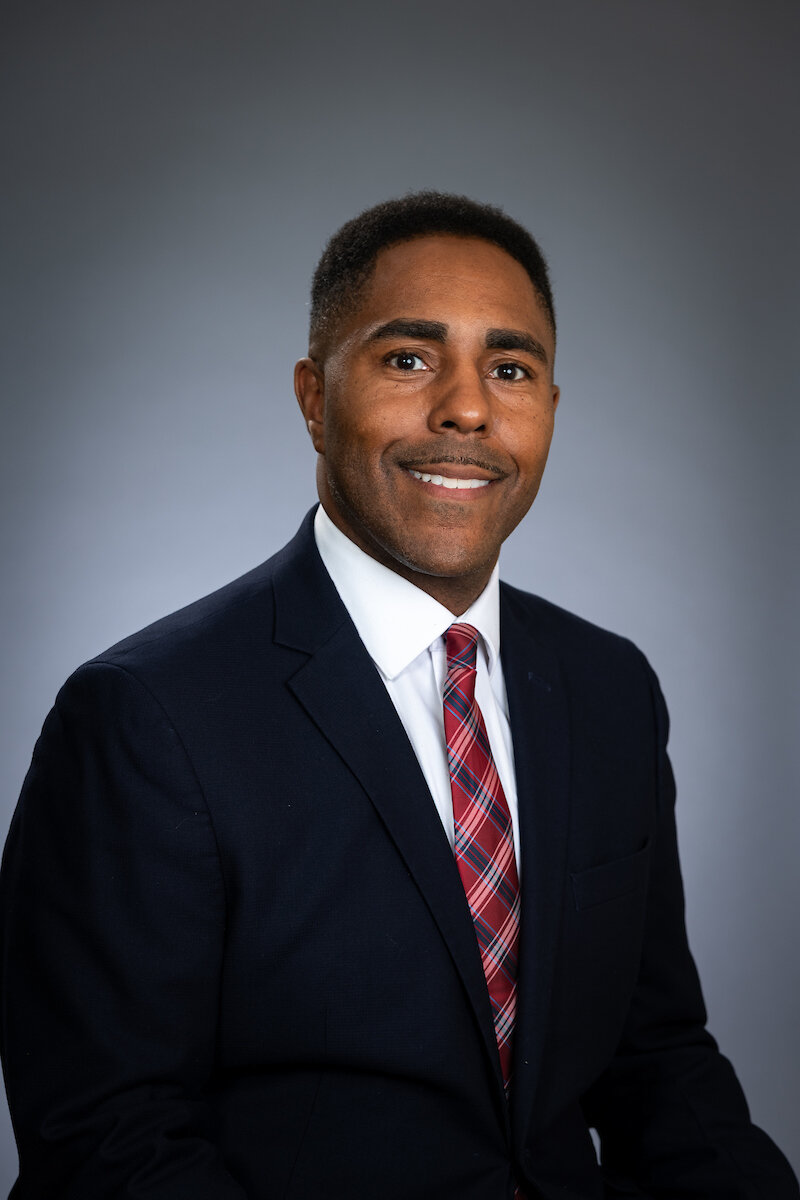
Benjamin Taylor is Phoenix-based attorney who has been practicing law for 22 years and is past president of the State Bar of Arizona. Please submit comments at yourvalley.net/letters or email them to AzOpinions@iniusa.org. We are committed to publishing a wide variety of reader opinions, as long as they meet our Civility Guidelines.
Keywords
Arizona, pool safety, swimming pool, pool party, water, homeowners, precautions, protect, children, guests, personal responsibilities, legal responsibilities, reasonable steps, life-altering tragedy, drowning, near-drowning incident, safety fences, self-closing gates, self-latching gates, pool alarms supervision, rescue equipment nearby, learn CPR


