Patriarchy and machismo are fighting to hang on in an outdated world
Toxic ideologies can lead to increased cases of domestic violence in Valley's Black, Brown communities

OPINION — “They’re bringing drugs, they’re bringing crime. They’re rapists and some, I assume, are good people.” In 2015, then-presidential candidate Donald Trump infamously launched his first campaign with this attack on Mexican immigrants.
Naturally, the opposition argued that this insinuation would drive the Latino community away from this candidate and his ideologies. Two presidential administrations later, more and more Latino men in the United States have embraced right-wing ideologies and a growing patriarchal identity.
It is hard to miss all the headlines about the manosphere, “traditional values” and all the things that are wrong with men. Trump won a majority of Latino male voters in the last election, and support for the MAGA movement among Latinos has risen. This fact surprised many researchers, advocates and community leaders. What is happening with Latino men?
As a Mexican immigrant and an advocate for gender and racial justice, I am not surprised. There is a clear throughline between the “machista” and patriarchal culture that helps shape our values and this growing affinity to the manosphere.
With October being Domestic Violence Awareness Month, this is an opportunity to acknowledge the epidemic of violence that runs through our communities. It’s also a chance to reflect on the way that gender-based violence has shaped lives.
This toxic machismo can lead to increased cases of domestic violence — something that I witnessed often in my own home and around my family. I’ve learned to reckon with my background through our Healing Together Campaign, which works to address the role that men must play to end the cycle of domestic violence. Through legislative advocacy, training and research, we focus on bringing solutions that are centered on creating safer relationships and communities through compassionate accountability rather than punishment.
My upbringing in Jalisco, Mexico, was centered on the idea of machismo, where we were told to follow the “traditional” gender roles set by generations of men before me. My mother did all the housework and cooking, and I was discouraged from serving my own plate when we ate together. In the worst memories of my childhood, these “traditions” allowed violence against my mother and siblings to be seen as a regular occurrence.
While this ego preservation may have been nice in theory, this patriarchal thinking does not serve men or people of any gender. And yet, men continue to sever relationships to themselves in order to follow the myth of patriarchy. Now, it’s being compounded by state violence against Latino men.
The crisis of rising unemployment, the shuttering of traditional industrial business, evolved social and gender norms, and the loneliness epidemic has hit Black and Brown men twice as hard. That disconnect can lead to expressions of violence toward partners and family, and sadly, little help exists for men to learn new patterns and behaviors.
While things remain dire, it is important to recognize the great work happening nationwide to help cultivate healthier forms of masculinity and form safer relationships. In addition to Healing Together, we also support the operation of a free, anonymous helpline dedicated to taking calls from men and people of all genders seeking help in breaking away from their own violent behaviors.
Last year, we built the Power Beyond Patriarchy Fellowship with partners Brown Boi Project, Movement for Black Lives and Southern Soul Wellness. It brought together a multi-generational group of men and masculine-identified leaders to examine how we had been taught to use domination in our relationships. We studied new tools for connection, consent and repair as alternatives, because if we have the skills in our organizing work, we should have them at home, as well.
Of course, political ideology and values about masculinity are not caused by the other. However, the correlation between hardening and restrictive views about manhood, and a rising trend toward conservative political ideology suggests a relationship. These ideologies prevail because they offer identity and an explanation for how things were. They are false promises rooted in domination and will never deliver true connection or liberation.
It might be Domestic Violence Awareness Month in October, but we must combat the growing disconnection and work to help create meaningful lives for boys and men — and women — every month.
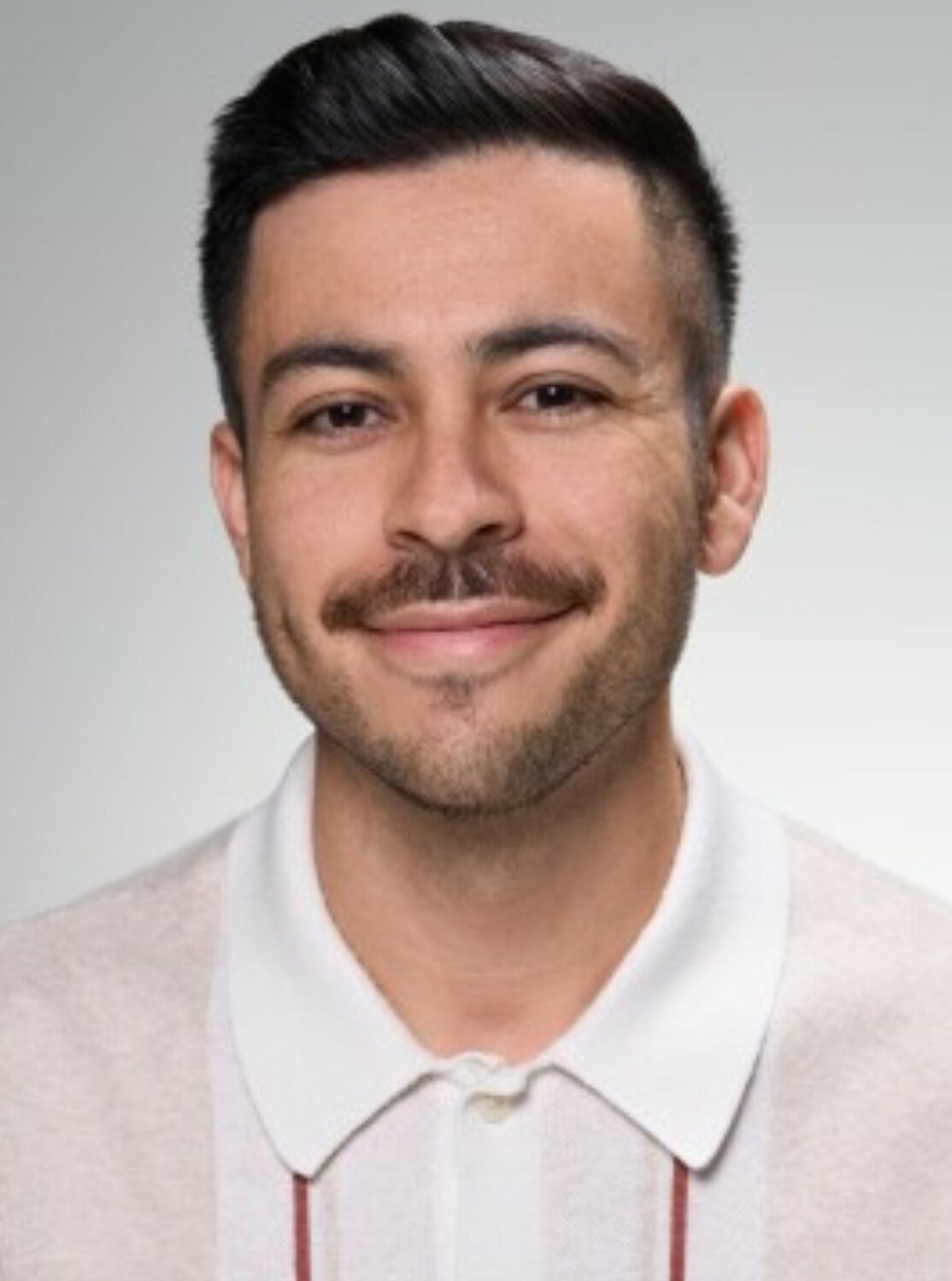
Gustavo López is the deputy director of the Alliance for Boys & Men of Color. He wrote this for InsideSources.com. Please submit comments at yourvalley.net/letters or email them to AzOpinions@iniusa.org. We are committed to publishing a wide variety of reader opinions, as long as they meet our Civility Guidelines.
Keywords
Donald Trump, Mexican immigrants, immigrants, Latino, Latino men, right-wing ideologies, patriarchal identify, manosphere, Latino male voters, MAGA, Latinos, toxic machismo, legislative advocacy, domestic violence, traditional gender roles, Black and Brown men, Healing Together, Power Beyond Patriarchy Fellowship with partners Brown Boi Project, Movement for Black Lives, Southern Soul Wellness, masculinity, manhood


