Mental health care shouldn’t depend on your wallet
ASU provides free or low-cost access for Arizona students, adults while training the next generation of counselors
OPINION — In recent years, conversations around mental health have become more open, more honest and, thankfully, more accepted. Yet for many Arizonans, one obstacle has changed very little: the ability to afford care.
Every day, individuals postpone counseling because they believe it is financially out of reach. Others assume they have no realistic options because of cost or limited availability. Unfortunately, delaying care often allows manageable concerns to grow into more significant issues that affect families, workplaces and entire communities.
Mental health should never be considered a luxury. It is an essential part of overall health.
Just as people are encouraged to seek medical attention for persistent pain or high blood pressure, they also should be encouraged to seek counseling before emotional struggles reach a crisis point.
Counseling is not reserved for life’s worst moments. It can help individuals navigate relationship challenges, career decisions, work stress, academic pressure, family concerns, major life transitions and feelings of anxiety or depression. Seeking help early often leads to better outcomes for individuals and the people who depend on them.
Affordability, however, is only one side of Arizona’s behavioral health challenge. The other is workforce. As demand for counseling continues to grow, so does the need for licensed behavioral health professionals prepared to serve communities across the state. Improving availability requires more than encouraging people to prioritize their mental health. It also requires investing in the professionals who will provide that care.
One important part of the solution is expanding opportunities where affordable care and workforce development happen simultaneously. University-based counseling clinics are one example, pairing supervised clinical training with counseling services that strengthen both today’s behavioral health system and tomorrow’s workforce.
Clients receive quality, evidence-based counseling from graduate clinicians, working under the close supervision of licensed professionals, while future counselors gain the practical experience necessary for licensure and independent practice. Much like teaching hospitals prepare the next generation of physicians, these programs prepare counselors to enter communities ready to meet Arizona’s growing behavioral health needs.
Equally important is continuity of care. Meaningful progress often depends on trust, and trust develops over time. Seeing the same counselor throughout treatment allows that relationship to grow, creating the consistency that supports lasting progress.
Arizona cannot meet its growing behavioral health needs without investing in both affordable care and workforce development. Expanding clinical training opportunities, increasing the number of licensed counselors entering the profession and reducing financial barriers to care must all be part of the conversation. As the state’s population continues to grow and awareness of mental health becomes more widespread, so will the demand for qualified behavioral health professionals.
Reducing financial barriers alone will not solve Arizona’s behavioral health workforce shortage or meet the growing demand for care. Neither will training more counselors by itself. Together, however, those efforts can help ensure more people receive support before everyday struggles become lifelong crises.
Mental health care should not be available only to those who can afford it. Every Arizonan deserves the opportunity to invest in emotional well-being, build resilience and live a healthier life. The first step is often the hardest. Arizona has a responsibility to make sure it is also within reach.
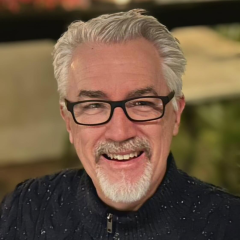
Jamie Bludworth, Ph.D. is director of Arizona State University’s Counselor Training Center in the School of Counseling and Counseling Psychology. Please submit comments at yourvalley.net/letters or email them to AzOpinions@iniusa.org. We are committed to publishing a wide variety of reader opinions, as long as they meet our Civility Guidelines.


