In political campaigning, pay attention to what’s not said
Omissions may reveal a candidate’s true feelings about Arizona public education vs. private schools, homeschooling

OPINION — It’s that time of year when candidates flood the airwaves, newspapers, social media and mailboxes as they compete for your vote in November.
In Arizona, however, the primary often greatly impacts who ultimately has a chance to win in the General Election. Legislative districts play a powerful role in shaping that outcome, and Arizona’s transient population adds additional challenges for the November election.
Our extreme summer heat sends many “snowbird” voters out of state until October or November, just in time for the General Election.
Because they are naturally disconnected from what has been happening on the ground in Arizona through the end of the last legislative session and through the summer, many rely heavily on their party’s infamous “Golden, or Blue, Ticket” rather than researching candidates the way year-round residents do.
As I like to say, “If you see a real Arizonan, take a picture, as not very many residents are originally from Arizona.” Everyone seems to be from somewhere else, which makes for great conversations. Go to almost any Arizona sporting event and you’ll find half the crowd cheering for the visiting team. The beautiful nine-month weather attracts people from everywhere, but it also creates political issues.
One downside is that many “permanent visitors,” myself included, still feel strong feelings for their former home. Around tax time you’ll often hear voters say, “I paid my taxes in ________, I don’t want to pay them here.”
They forget that someone else once paid for their schools, roads and bridges at “home” for their family generations before. That’s how a democratic republic works. Communities pay it forward because previous generations did the same for them.
When your heart remains somewhere else, it can be difficult to fully invest in Arizona’s future. That disconnect also affects elections.
Voters who haven’t followed candidates’ records, community involvement or voting history are more likely to follow party recommendations than to do their own homework. They are also more susceptible to campaign ads because they missed the debates and controversies while they were “home.”
That’s why, when campaign ads appear, I pay as much attention to what the candidates don’t say as to what they do. For example, phrases like “supporting parental educational options,” “giving parents the last word on education,” “empowering parents” or “putting students first” may sound appealing, but if a candidate never says they support public education, that omission tells you something.
If the word “public” is missing, they are likely prioritizing vouchers, private schools and charter schools over traditional public schools.
Whatever issue matters most to you, look beyond campaign slogans. Research every candidate. Research their voting record and social-media posts, examine their ties to the community and evaluate what they have actually accomplished for the greater good, not just for their party. Never cast a ballot simply because a name appears on a party’s “Golden, or Blue, Ticket.”
When the campaign ads arrive, pay closer attention to what the candidates don’t say than to what they do.
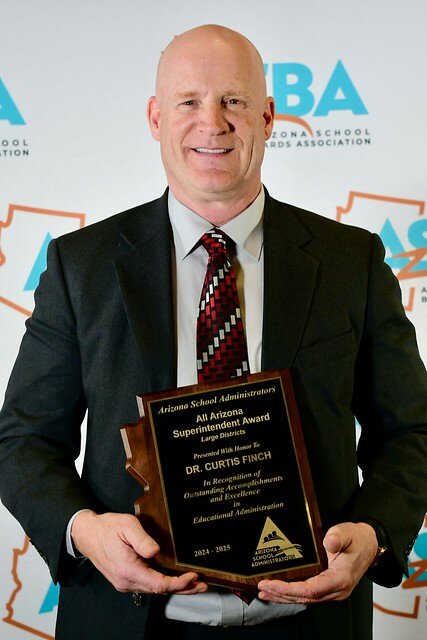
Dr. Curtis Finch is Deer Valley Unified School District superintendent. Please submit comments at yourvalley.net/letters or email them to AzOpinions@iniusa.org. We are committed to publishing a wide variety of reader opinions, as long as they meet our Civility Guidelines.
Keywords
candidates, compete for votes, Arizona, primary, impacts winner, General Election, legislative districts, powerful role, transient population, relies on “Golden, or Blue, Ticket, ” research candidates, candidates’ records, community involvement, voting history, party recommendations, do homework, campaign ads, what candidates don’t say, if “public” missing, likely prioritizing vouchers, private schools, charter schools, over public schools


