Grandparents hold Arizona families together; we must show up for them

OPINION — After my family marked the first anniversary of my grandfather’s passing in September, I found myself thinking about him, my “güelo,” more than usual.
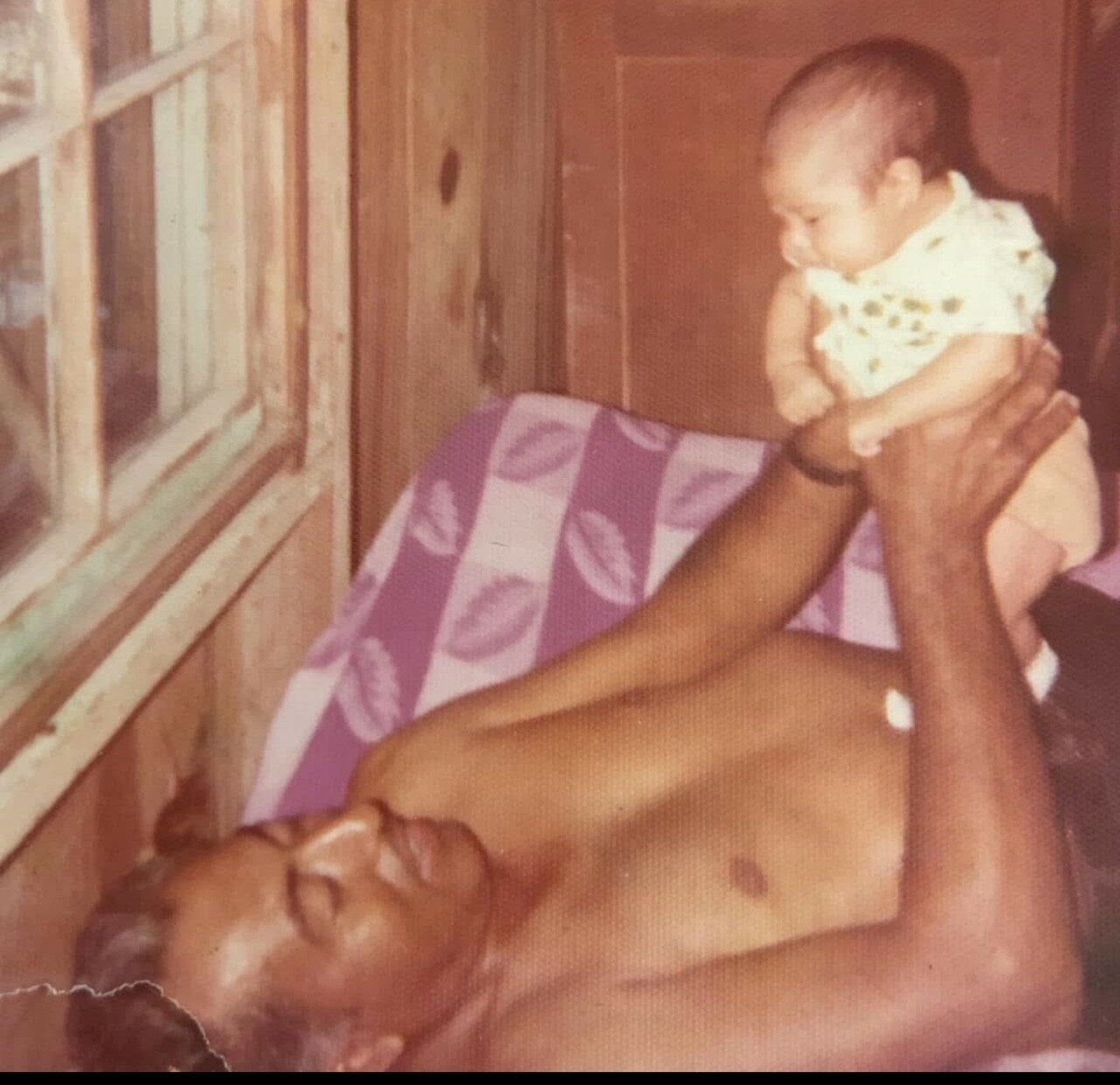
When I think of my childhood, I picture güelo tossing me into the air at the park, the smell of fresh donuts from our Saturday morning trips to the corner store, and the comfort of knowing he and my abuela would always be there.
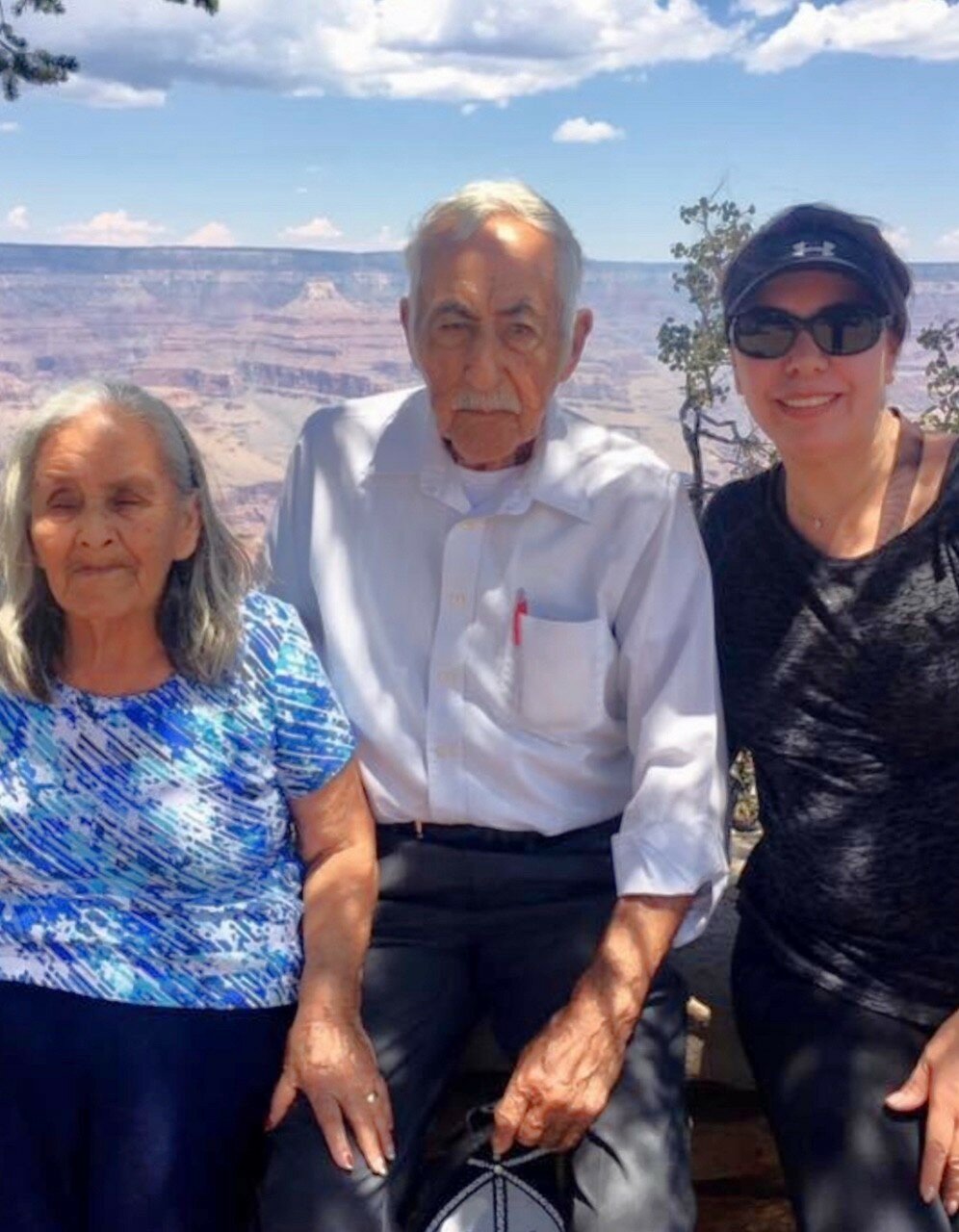
My parents married young. My father was often on the road as a musician, and my mother worked as a cook in a local hospital. While they worked, my grandparents helped raise me. We all lived in the same home, something that was common where I grew up.
My abuela taught discipline and made sure education remained a priority. My güelo brought joy to everyday moments. Together, they made sure I was fed, cared for and surrounded by love.
At the time, there was nothing extraordinary about how our family worked. Looking back, I understand how deeply my grandparents shaped my life. As a mother today, I see their influence continuing across generations.
Families like mine are not unusual. In Arizona, an estimated 57,000 children, or about 4% of all children in the state, are being raised in kinship families, including by grandparents and other relatives.
When I started my career as a pediatrician, I met many grandparents and relatives helping to raise grandchildren and other young relatives. I saw how much they carried from appointments and school schedules to household responsibilities and concerns about their own health. Too often, the people holding families together put everyone else first and themselves last.
At doctor’s visits, when I asked how they were doing, the first answer was almost always that they were fine. The real answer often came only after I listened a little longer.
Grandparents and other kin caregivers can face an especially difficult balancing act: caring for children while managing their own health, finances and other everyday needs.
Now today, as a medical director for a large Arizona healthcare provider, I advocate for people navigating those same pressures and help connect families with care and resources, including those with special health care needs.
Many families may not realize that programs and services may be available to help them access support with food, housing, transportation and other essentials. Finding that help can ease some of the practical pressures that make caregiving even harder.
Caregivers are part of the foundation families rely on and supporting them should not be an afterthought. We should not wait until they are overwhelmed to ask what they need.
As my grandparents grew older, I came to appreciate not only what they had given me, but the importance of showing up for them in return. Caring for the people who once cared for us is one way to honor what they have given our families.
One year after losing my güelo, those lessons still shape how I serve people and families today.
We all have someone who has cared for us. Whether it’s a güelo, an abuela, a grandparent, a caregiver, a friend or a neighbor, ask how they are doing and take the time to hear the real answer.
Sometimes, the answer that matters most comes after the pause.
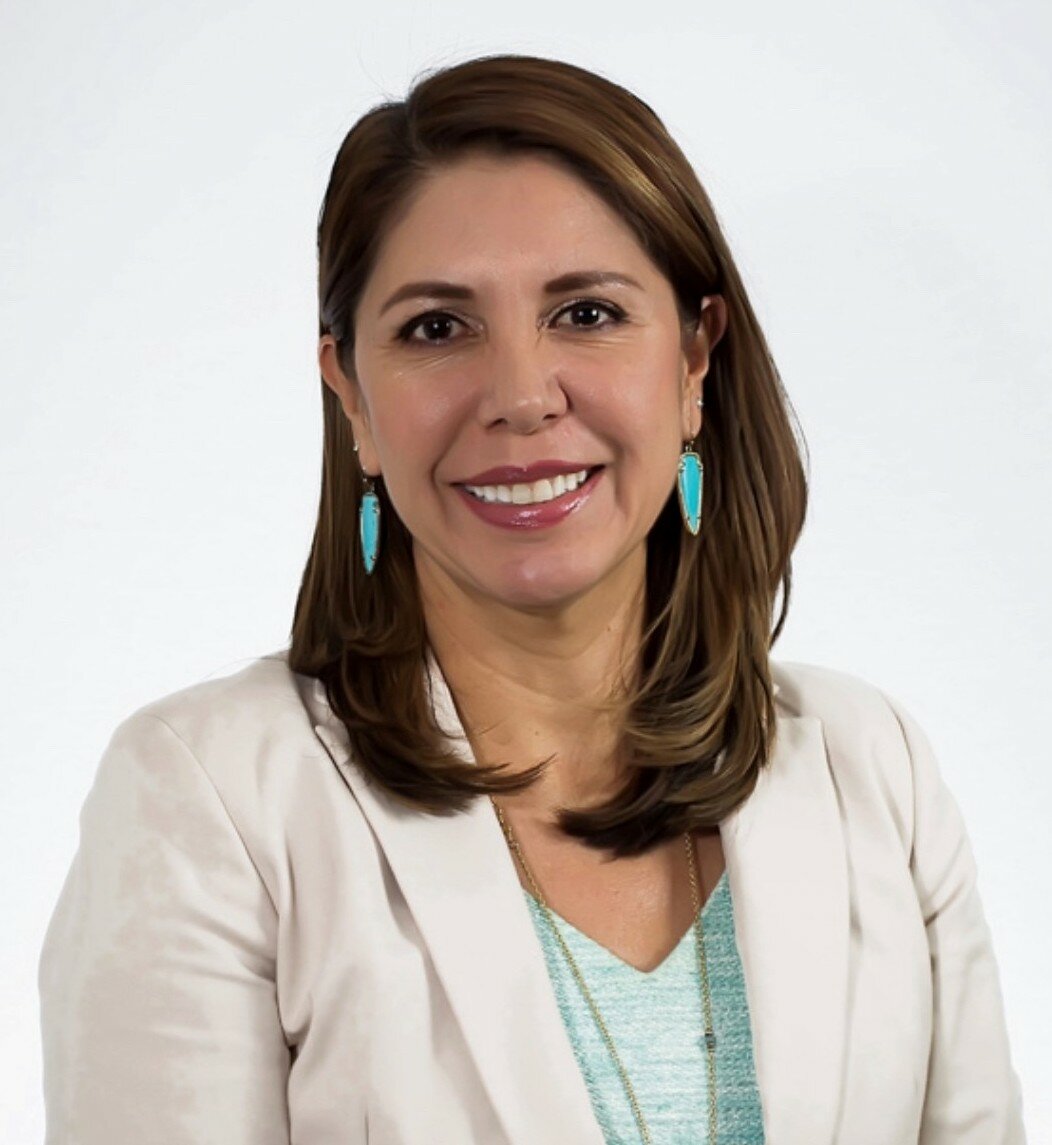
Edith Allen, M.D. is a pediatrician who serves as medical director for special healthcare needs for Arizona healthcare provider. Please submit comments at yourvalley.net/letters or email them to AzOpinions@iniusa.org. We are committed to publishing a wide variety of reader opinions, as long as they meet our Civility Guidelines.
Keywords
grandparents, güelo, parents, father, mother, abuela, families, generations, caregivers, health, kin, support, foundation, caregiving, kinship


