Glendale planned for water, that's why we are ready for growth

OPINION — The federal government recently issued new operating guidelines to reduce Colorado River deliveries to the Lower Basin states by 1.25 million acre-feet in both 2027 and 2028.
Under the state’s proposed sharing agreement, Arizona would take the largest reduction.
That is serious. It requires continued conservation and smart investments. But we must not make the mistake of generalizing that every Arizona community faces the same risk, or that we must draw down responsible growth.
Our residents and businesses, both here in our city and the region, and those looking at relocating or expanding, should hear this loud and clear: Glendale did not wait for a crisis to begin planning.
For decades, Glendale’s elected leaders, water professionals and business community have understood that growth in the desert requires long-term planning and responsible stewardship. That work has put Glendale in a strong position today.
Water security did not happen overnight, and it did not happen by accident. For decades, Glendale has made the investments and decisions necessary to protect our water future while continuing to build a community where families want to live and businesses want to invest.
About 55% of Glendale’s drinking water comes from the Salt and Verde rivers through the Salt River Project. Approximately 41% comes from the Colorado River through the Central Arizona Project, and 4% comes from groundwater. Reclaimed water adds another tool for industry, landscaping and aquifer recharge.
Virtually all of Glendale’s wastewater is put to beneficial reuse or recharge.
We have also banked approximately 209,000 acre-feet of long-term storage credits underground for future recovery.
Most importantly, Glendale has a state designation of Assured Water Supply for 100 years.
That 100-year designation is more than a number on a planning document. It provides confidence for families choosing to make Glendale home and confidence for businesses deciding where to invest, expand and create jobs.
Glendale can demonstrate not only adequate water supply, with annual demand remaining below available supply, but also a record of preparation.
City water officials have said Glendale could still meet all projected demand from its remaining CAP supply after a 25% reduction to its allocation. A 50% reduction would require greater conservation and the use of groundwater and recoverable storage credits.
That would be a real challenge, but Glendale has planned for this, too.
Five strategic well projects are being developed to provide backup service to higher-elevation areas, and Glendale has also secured a place in the planned Bartlett Dam expansion, creating an opportunity for additional long-term storage.
Our responsibility is not to choose between protecting our water future and growing our community. We must do both!
Responsible growth and responsible water management can go hand in hand. That is the approach Glendale has taken, and it is the approach we will continue to take.
Water security makes responsible growth possible. Responsible growth, in turn, provides the resources to keep our water system strong and resilient.
The Colorado River’s challenges are real, and Arizona must continue fighting for a fair, system-wide solution. But Glendale has prepared for this with conservation, continued investment and confidence in our future.
We planned for water. That is why Glendale is ready for growth, and why we intend to remain ready for generations to come.
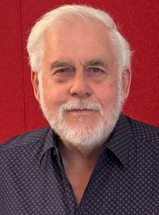
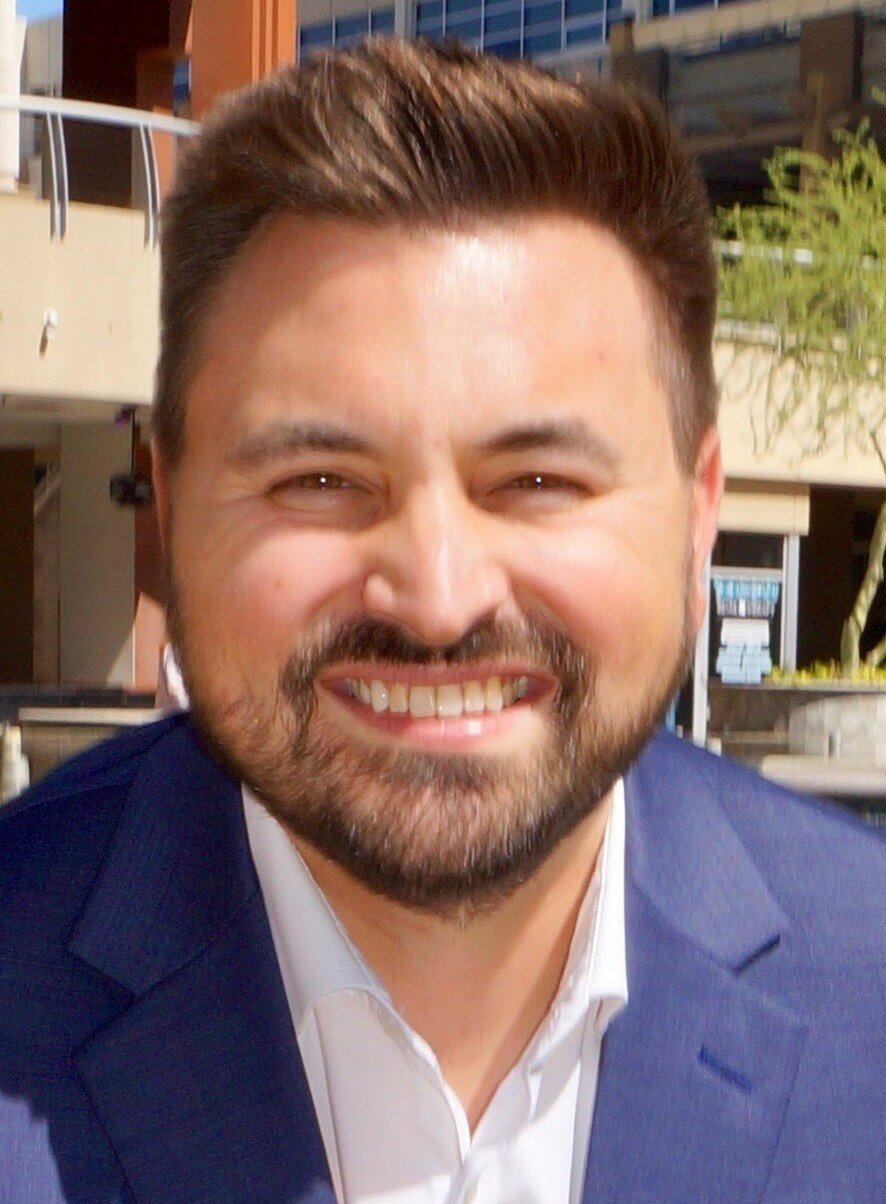
Jerry P. Weiers has served as Glendale mayor since 2013. Zach Yentzer is president of the Glendale Chamber of Commerce. Please submit comments at yourvalley.net/letters or email them to AzOpinions@iniusa.org. We are committed to publishing a wide variety of reader opinions, as long as they meet our Civility Guidelines.
Keywords
Glendale, water-management plan, continued conservation, smart investments, growth plan, new operating guidelines, reduce Colorado River deliveries, 2027 and 2028, Arizona, largest reduction, responsible stewardship, Assured Water Supply, 100 years


