Bridging the gap between breast cancer awareness and action
Valley physician: Knowing the risks is the first step in prevention
OPINION — New American Cancer Society research reveals a gap between breast-cancer awareness and action that can save lives. In Arizona, approximately 900 women died from breast cancer in 2024, according to the latest available Arizona Department of Health Services data.
Women knowing their breast cancer risk is only the first step in prevention.
ACS found that while 91% of women know that low activity raises their risk, only 27% meet recommended activity guidelines calling for 150 to 300 minutes of moderate-intensity activity, or 75 to 150 minutes of vigorous-intensity activity, each week. Similarly, 85% know alcohol raises their risk, yet 69% report drinking. While it may be difficult to modify behaviors, getting more exercise and reducing alcohol consumption are things we can control to help protect ourselves.
Breast cancer is the most common cancer among U.S. women after skin cancer, accounting for about 1 in 3 new cancer cases in women annually. The incidence is rising 1% annually overall and 1.4% among women under 50.
While it primarily affects women, about 1% of cases also occur in men. This makes it especially important to stay current with recommended screenings.
Mammograms, X-rays of the breast, are especially important because they may detect breast cancer when there are no apparent symptoms. When symptoms of breast cancer develop, they may include:
- New lump in breast or underarm (armpit).
- Changes in size or shape of breast.
- Thickening or swelling in parts of the breast.
- Pulling in of the nipple or pain in the nipple area.
- Pain in any area of the breast.
- Nipple discharge other than breast milk, including blood.
- Irritation or dimpling of breast skin.
- Redness or flakiness in nipple area or breast.
For women at average risk, the U.S. Preventive Services Task Force recommends a mammogram every two years beginning at age 40 through age 74. Those with a family history or other risk factors may need earlier or more frequent screening.
Find a Health Center is a helpful tool for finding local mammography centers. Check to see that the imaging facility you choose is certified and accepts your insurance. Many organizations offer free mammograms and breast screenings.
When you talk with your doctor, share your health history and any symptoms you may be experiencing. Learn about recommended preventive screenings and consider scheduling them now. Knowing your personal risk, making healthy lifestyle choices, recognizing changes in your breasts and staying up to date with recommended screenings can all play an important role in protecting your health.
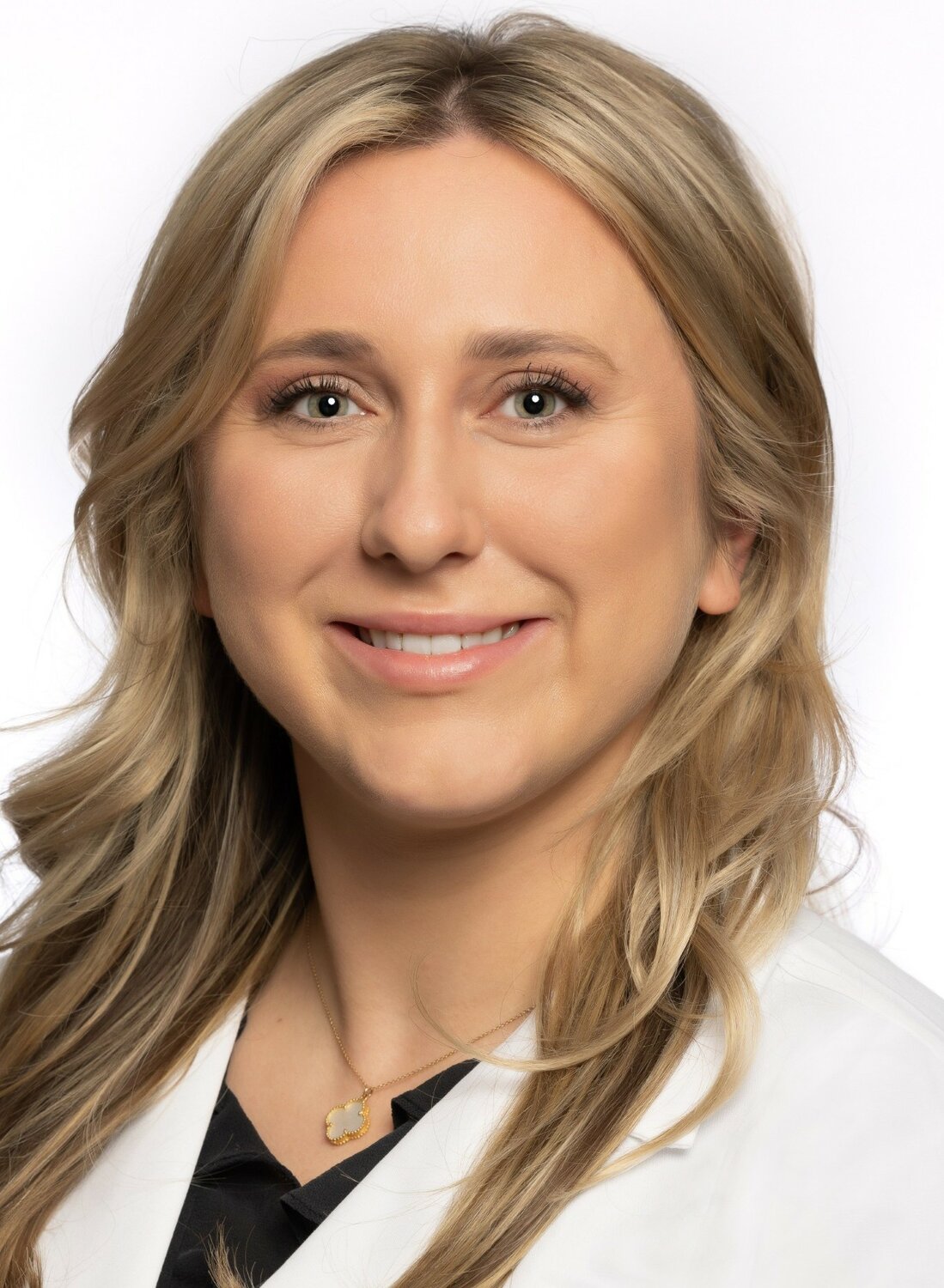
Erica Grabinski, D.O. is a primary care physician practicing in Scottsdale. Please submit comments at yourvalley.net/letters or email them to AzOpinions@iniusa.org. We are committed to publishing a wide variety of reader opinions, as long as they meet our Civility Guidelines.
Keywords
American Cancer Society, ACS, research, breast cancer, Arizona, Arizona Department of Health Services data, cancer, risk, prevention, Find a Health Center, screenings


