Arizona’s public lands deserve stewardship, not shortcuts

OPINION — As a veteran, I have spent much of my life in landscapes that tell stories. Some of those landscapes were overseas, where I witnessed the consequences of unmanaged development, degraded natural resources and decisions made without consideration for future generations.
Others have been here at home, across Arizona’s deserts, forests and public lands, where I have dedicated my post-military career to connecting veterans with conservation, stewardship and outdoor recreation.
I am concerned about the Department of the Interior’s proposed changes to federal grazing regulations and what they could mean for places like Ironwood Forest National Monument.
The question before us is not whether grazing belongs on public lands. Rather, it is whether accountability, public participation and land health should remain central to how grazing is managed.
The timing of these proposed changes is especially troubling. The Bureau of Land Management’s own land health evaluation found that 75% of Ironwood Forest National Monument’s grazing allotments failed to meet one or more required standards for healthy, functioning public lands. These standards exist for a reason: They help protect soils, vegetation, wildlife habitat, watersheds and the long-term ecological health of the landscape.
Anyone who spends time in the monument has seen firsthand the challenges, from trampled desert soils beneath ancient ironwood trees to damaged fencing that allows livestock to wander into areas where they should not be.
When most allotments are already failing to meet those standards, reducing oversight is difficult to justify.
As someone who leads veterans into Arizona’s public lands every year, I see firsthand how important these places are. Veterans struggling with isolation, trauma or transition often find purpose and connection through stewardship projects and outdoor recreation. The quiet of open space, healthy wildlife habitat, dark night skies and opportunities for service provide something increasingly difficult to find elsewhere.
Trails, scenic landscapes and healthy ecosystems are not abstract concepts. They are the foundation of experiences that improve lives.
Arizona’s $14 billion outdoor recreation economy depends on healthy public lands. Visitors travel from around the world to experience the Sonoran Desert, hike among ancient ironwood trees, observe wildlife and connect with landscapes found nowhere else on Earth. When land health declines, so do the experiences that sustain local economies and communities.
Perhaps most concerning is the possibility that the proposed rule could reduce opportunities for meaningful public participation in grazing decisions. Public lands function best when decisions are made transparently and informed by diverse stakeholders. Ranchers deserve a seat at the table, but so do recreationists, conservation organizations, tribal nations, scientists, local communities and everyday citizens.
Ironwood Forest National Monument was established to protect nationally significant biological, cultural, archaeological and scenic resources. Its future should be guided by sound science, transparent management and a commitment to balancing the many values these public lands provide.
We should welcome discussions about improving land management. We should support ranchers who are good stewards. We should recognize the complexity of managing landscapes in a changing climate. Effective stewardship requires not only sound policies but also the staffing and resources necessary to enforce them.
While the Department of the Interior describes these changes as modernization, modernization should not come at the expense of accountability. No single user group — whether grazing permittees, recreationists, conservationists or government agencies — should have its interests prioritized above the long-term health of the landscape itself.
And we should never forget that public lands are exactly that: Public. They belong equally to ranchers, hunters, hikers, birders, mountain bikers, tribal communities, veterans seeking healing outdoors, local businesses that depend on recreation tourism and future generations who deserve the opportunity to experience these places as we know them today.
When public lands are already showing signs of stress, the answer is better stewardship, stronger accountability and greater public engagement, not fewer guardrails.
Ironwood Forest National Monument was established to protect a nationally significant landscape. We owe future generations nothing less.
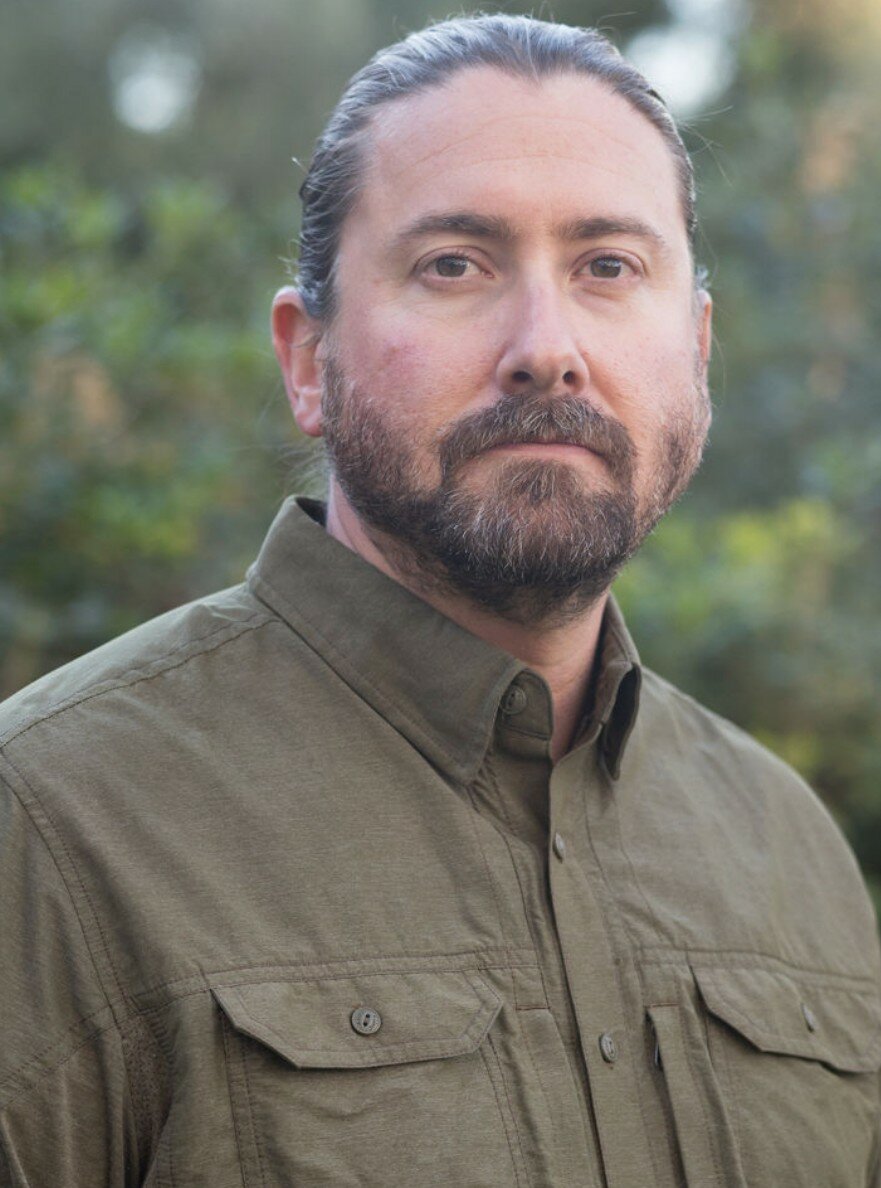
Michael “Chappy” Chappell is a U.S. Navy veteran, Arizona Trail Association’s Veteran Program director and serves on the Friends of Ironwood Forest’s Board of Directors. Please submit comments at yourvalley.net/letters or email them to AzOpinions@iniusa.org. We are committed to publishing a wide variety of reader opinions, as long as they meet our Civility Guidelines.
Keywords
Department of the Interior, Bureau of Land Management, federal grazing regulations, proposed, Ironwood Forest National Monument, ancient ironwood trees, damaged fencing, livestock wander, unmanaged development, degraded natural resources, Arizona deserts, forests, public lands, conservation, stewardship, outdoor recreation


