America made a promise to the Afghans that it's breaking on purpose
A country that calls itself the friend of the soldiers shouldn’t leave the soldiers’ families stranded overseas

OPINION — We asked Afghans to translate for our patrols, guard our bases and stand beside our troops under fire. In return, we made them a promise, in writing: Serve with us, and we will not leave you to be hunted.
For a while, we kept it, and most Americans never saw how. After Kabul fell, government and civil society did something rare in this country. They came together. The government stood up a program called Enduring Welcome, and Americans from every corner of the country and every part of our national life held the line alongside it.
Veterans and military families, churches and mosques and synagogues, people who agreed on almost nothing else, threw themselves at the problem. Together we brought tens of thousands of vetted allies to safety. It was bipartisan. It was careful. It worked.
By last summer, the government had certified more than 178,000 Afghans as having worked for the United States and being hunted for it. More than 200,000 have already resettled here. The sky did not fall.
Then, over the last 18 months, we took it apart. Not with a vote. Not with a law. One quiet decision at a time. Enduring Welcome was shut down. The office that ran it was eliminated. Afghanistan was folded into a total travel ban. And throughout 2026, the State Department has issued zero Special Immigrant Visas to Afghan principal applicants. Not fewer. Zero.
A federal court ruled the freeze illegal and ordered the government to resume. It still hasn’t. Thousands of visas Congress paid for sit untouched.
Do not let anyone tell you this is about security. The Afghans still waiting were vetted through the enhanced screening the first Trump administration put in place. We know exactly who they are. Many of them are family. About 3,000 people stuck in this pipeline are the parents, spouses and children of American service members, and some are in a camp in Qatar that closes in September.
I have spent five years leading the coalition trying to get these people home, so let me be specific about what abandonment looks like. A girl named Ifat spent years in that camp, her skin blistering from a rare disease, while the file that would have saved her family sat on a desk. She is safe today. Not because her government kept its word. Because a handful of volunteers refused to let her be forgotten.
When this administration took office, many of us let ourselves hope. We thought the programs might finally be locked in, that we could exhale and get back to our lives, worn out by it but better for the experience. Instead, we are working harder than ever, just to slow a constant stream of new harm aimed at the people we promised to protect.
Here is the part that should keep you up at night. Fixing this is easy. The secretary of Homeland Security can protect the Afghans already here with a signature, sparing tens of thousands from deportation to the Taliban. The administration can lift the visa ban, resume issuance and comply with the court order it is ignoring.
The secretaries of State and Homeland Security, acting together, could bring home every family member of an American service member and everyone else waiting only to be reunited with relatives already here. No new law. No new vetting. Just the decision to keep a promise we already made. If the administration won’t act, Congress can protect those in the United States with the bipartisan Afghanistan TPS Act and restart the relocation through the Enduring Welcome Act.
So why isn’t it done? President Trump, Secretary of State Marco Rubio and Homeland Security Secretary Markwayne Mullin were among the loudest voices on Afghanistan when the failure belonged to someone else, and they were right that we owed these allies better. Today, the fix runs straight through their offices, State, Homeland Security and the president’s own pen. All three are standing aside while Stephen Miller squanders whatever standing the Republican Party had left with veterans, frontline civilians and military families.
This was never a partisan fight. Republicans and Democrats built these programs together, which is what makes the silence so damning. These men are not being asked to cross the aisle. They are being asked not to abandon their own words.
Five years ago, we told ourselves the hard part was getting out. It wasn’t. The hard part is the part with no cameras, the one still happening right now, while a country that calls itself the friend of the soldiers leaves the soldiers’ families stranded overseas. Call the people who represent you and tell them we are watching what these men do with the power they fought so hard to get.
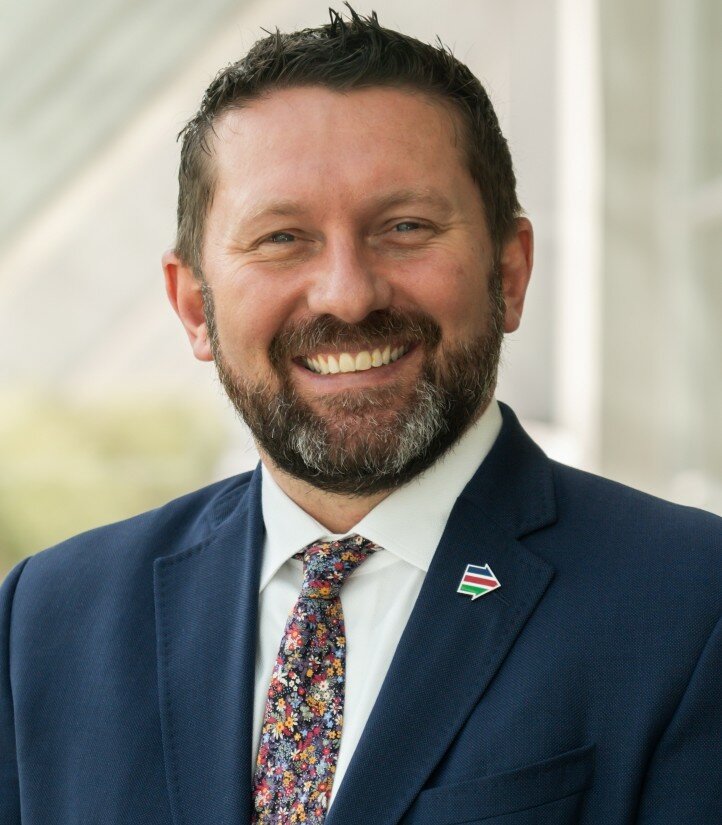
Shawn VanDiver is a Navy veteran and the president and founder of AfghanEvac. He wrote this for InsideSources.com. Please submit comments at yourvalley.net/letters or email them to AzOpinions@iniusa.org. We are committed to publishing a wide variety of reader opinions, as long as they meet our Civility Guidelines.
Keywords
Afghans, stood beside our troops, promise, in writing, bipartisan Enduring Welcome, shut down, zero Special Immigrant Visas to Afghan principals, federal court, freeze ruled illegal, still not resumed, secretary of Homeland Security, can lift visa ban, Congress, bipartisan Afghanistan TPS Act, President Trump, Secretary of State Marco Rubio, Homeland Security Secretary Markwayne Mullin, all standing aside, blame runs through them


